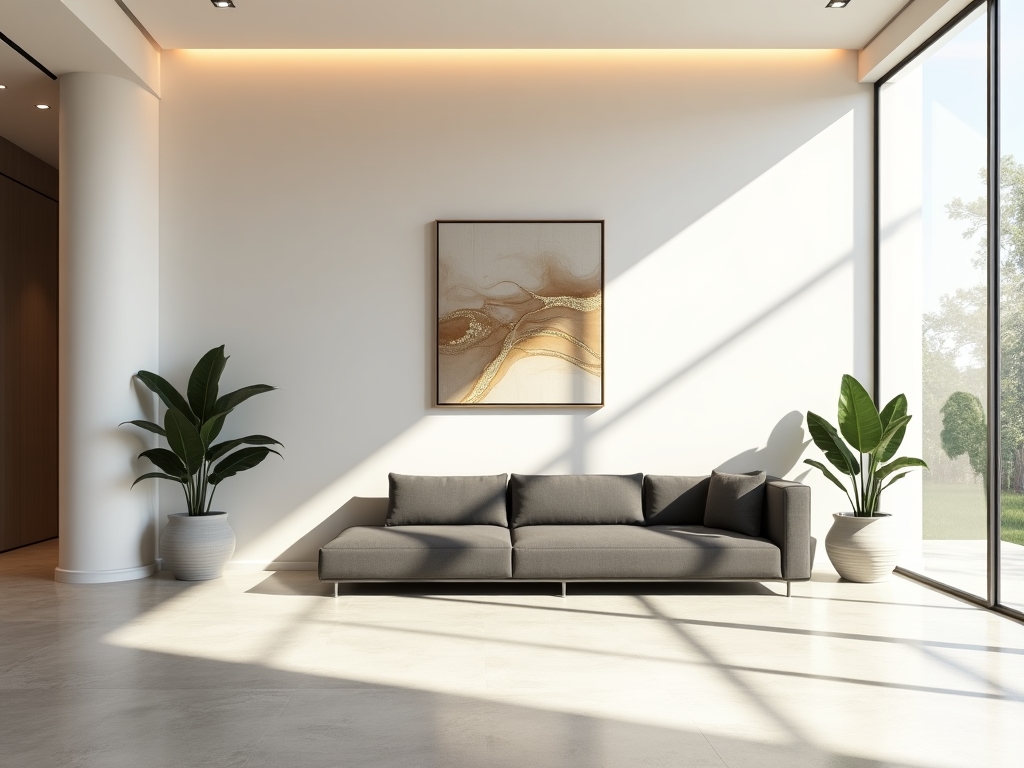
An experimental platform for interior designers who leverage neural networks to visualize innovative spatial concepts. Share your AI-generated designs and learn from a community of creative experts exploring the intersection of algorithmic thinking and aesthetic sensibility.
Klarofabric serves as a digital meeting point for progressive interior designers and architects who approach artificial intelligence as a creative instrument. Here, we collectively experiment with AI-based rendering tools, explore algorithmic color theory, and develop data-driven approaches to spatial planning.
Our members utilize machine learning models such as Stable Diffusion, Midjourney, and DALL-E to extend traditional design processes. We document workflows, share prompt strategies, and analyze how neural networks influence our understanding of space, light, and materiality. The platform functions as an archive for AI experiments, a discussion forum for technical challenges, and a source of inspiration for anyone working at the nexus of design and technology.
Each week, community members publish new case studies about their AI projects – from generating photorealistic renderings to automated moodboard creation. We believe in transparency throughout the design process and encourage open exchange about successes, failures, and ethical considerations when working with AI-generated content.
02
AI Experiments
Selected projects demonstrate the creative possibilities when design expertise intersects with algorithmic image generation. Each experiment documents the technical approach, models used, and insights gained.
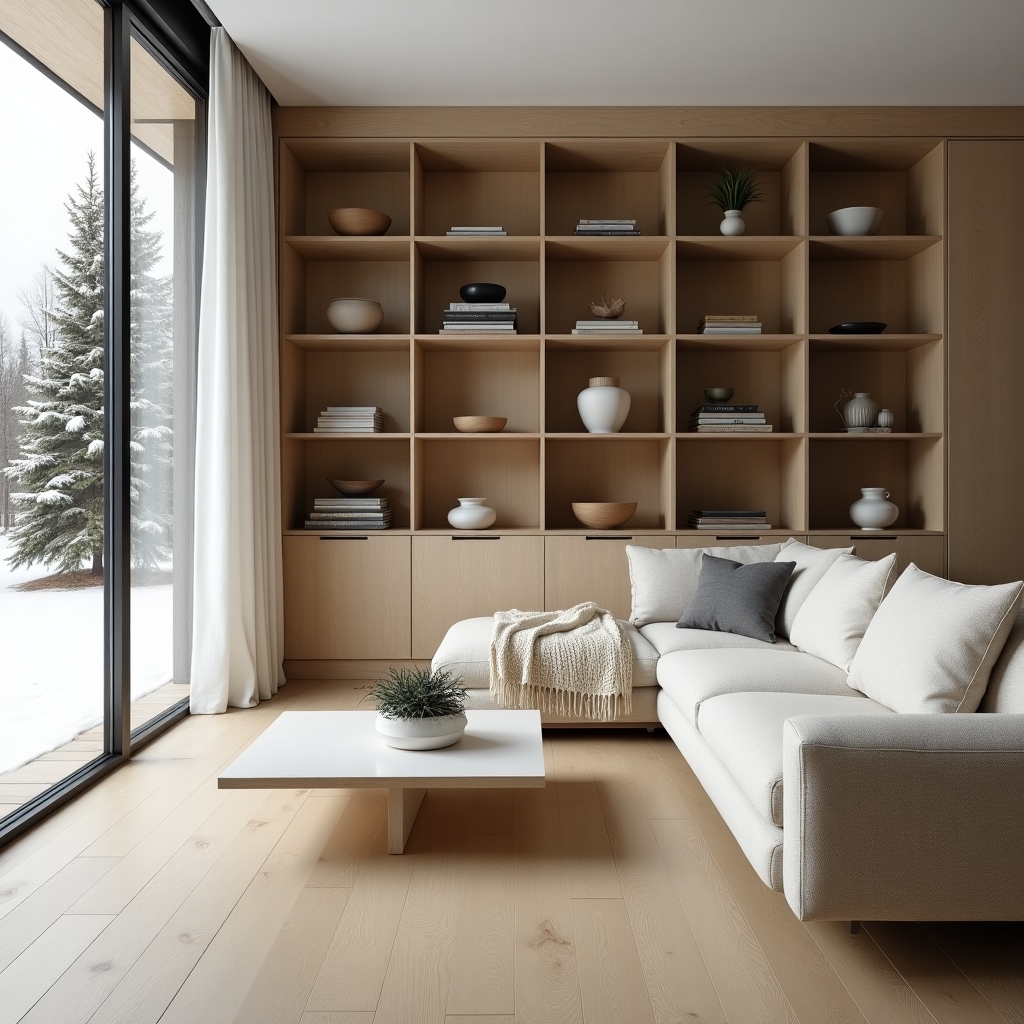
Scandinavian Minimalism Through Diffusion Models
Exploration of Stable Diffusion XL for generating Scandinavian-inspired living spaces. Training with 847 curated reference images of Nordic interiors to capture characteristic materials, color temperatures, and lighting moods.
Stable Diffusion XLScandinavian Design
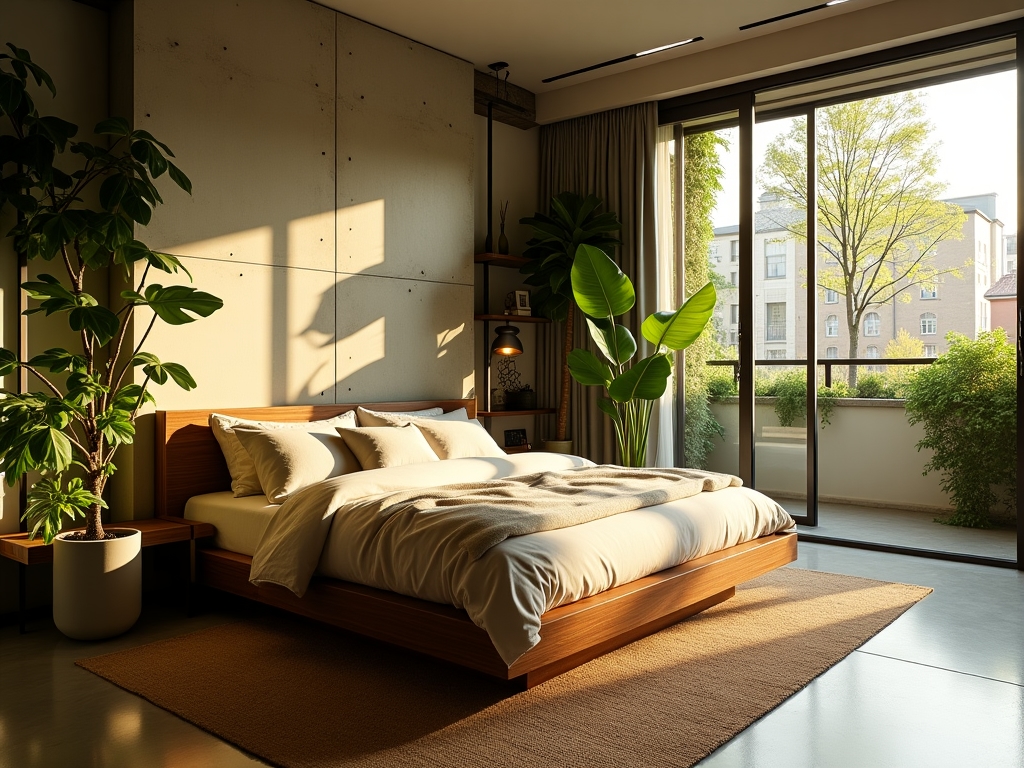
Biophilic Design with DALL-E 3
Systematic investigation of biophilic design principles through iterative prompt adjustments. Focus on integrating natural materials, organic forms, and plant elements to promote wellbeing in sleeping spaces.
DALL-E 3Biophilic Design
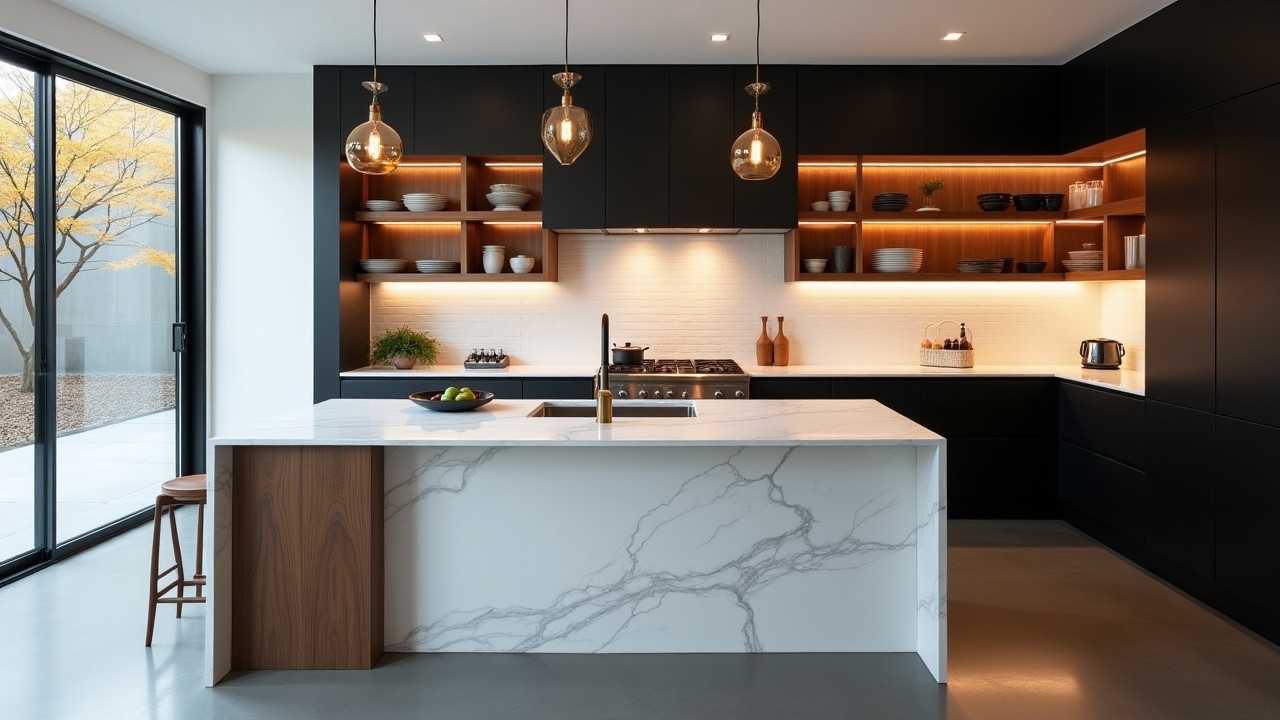
Functional Kitchens Through Parametric AI
Integration of Midjourney V6 into the planning process for functional kitchen spaces. Comparative analysis between manual planning and AI-assisted suggestions for optimizing work triangles and storage solutions.
Midjourney V6Kitchen Planning
03
Recent Articles
Detailed insights into technical workflows, theoretical considerations, and practical applications of AI in interior architecture.
Understanding Neural Networks: From Convolutional Layers to Spatial Renderings
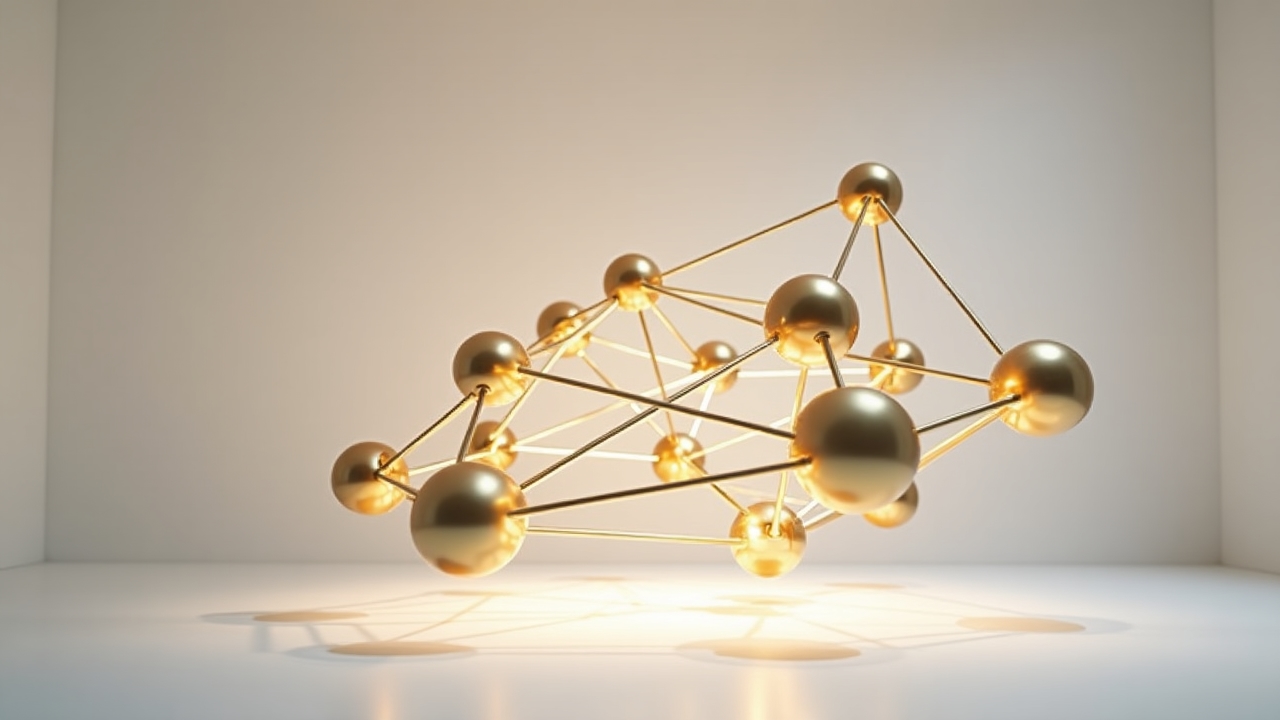
A technical introduction to the architecture of diffusion models and their application to architectural visualizations. We analyze how Convolutional Neural Networks learn spatial hierarchies and why certain network topologies are better suited for interior design than others. The article covers encoder-decoder structures, attention mechanisms, and their influence on the quality of generated room scenes.
by Clara Hoffmann7 min read
Algorithmic Color Theory: How AI Creates Palettes for Living Spaces
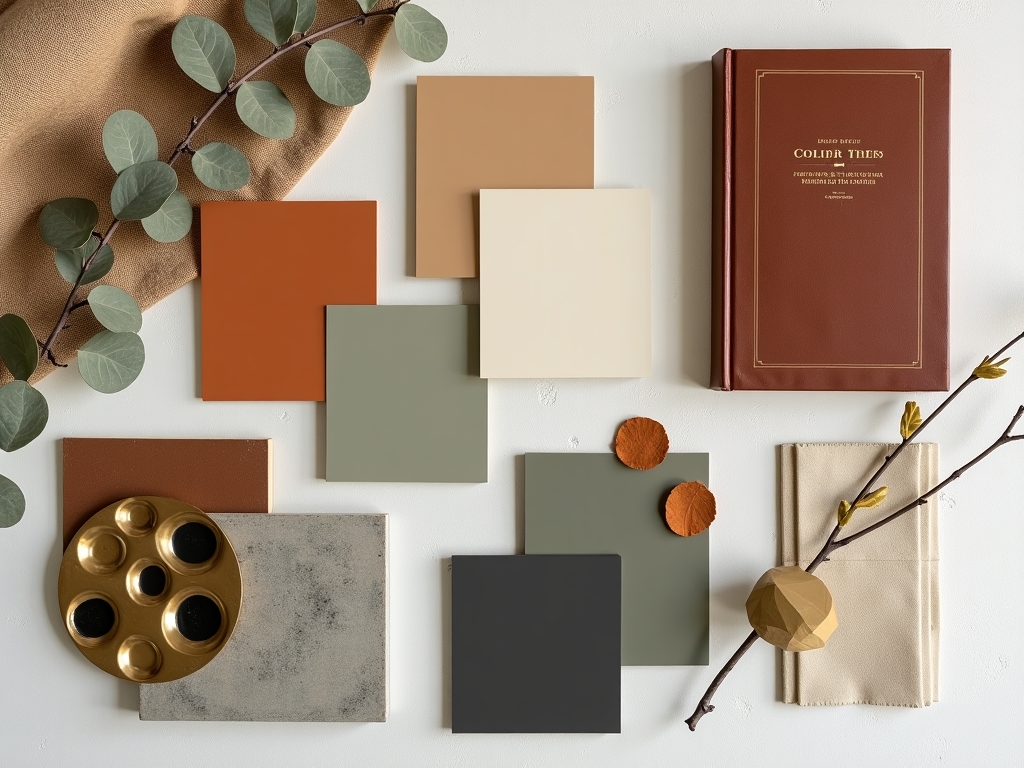
Color psychology meets machine learning. This article examines how AI systems generate harmonious color combinations based on psychological principles and cultural associations. We demonstrate the use of Generative Adversarial Networks for creating context-specific color palettes and compare results with classical color theories by Johannes Itten and Josef Albers.
by Marcus Weber9 min read
Data-Driven Space Planning: From Floor Plans to AI-Optimized Layouts
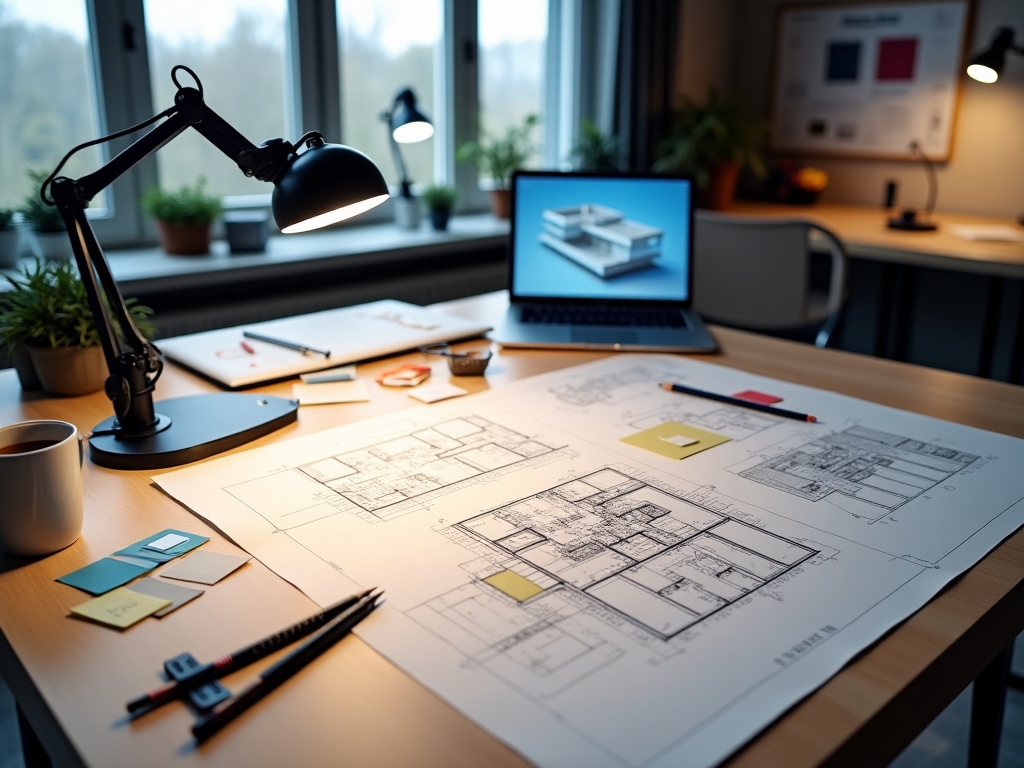
A practice-oriented guide to integrating AI tools into the spatial planning process. From digitizing hand-drawn sketches to generating alternative floor plan proposals and optimizing circulation areas and furniture scenarios. We present a structured workflow using tools like SketchUp, Rhino, and AI plugins, including quantitative evaluation criteria for generated layouts.
by Sophia Krüger11 min read
04
Get in Touch
Have questions about AI tools in interior architecture or want to share your own experiments with the community? We look forward to hearing from you.